


by Mariam SAAD
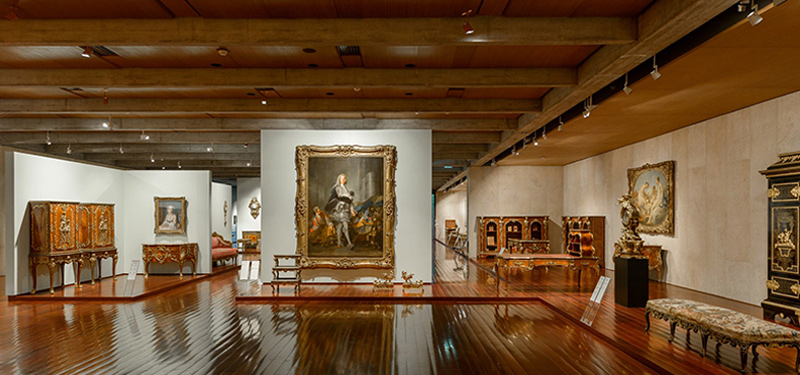
The Gulbenkian Museum, located in the heart of Lisbon, is a world-class museum that houses an impressive collection of art and artifacts from around the world. It was founded in 1960 by Calouste Gulbenkian, an Armenian oil magnate who was also an avid collector of art and antiquities.
The museum's collection spans over 4,000 years of human history and includes artifacts from ancient Egypt, Greece, and Rome, as well as Islamic art, European paintings, and decorative arts from the 18th and 19th centuries. There are also collections of African, Asian, and Latin American art, making it one of the most diverse and comprehensive museums in Portugal.
The museum's permanent collection is divided into two main sections: the Founder's Collection and the Modern Collection. The Founder's Collection includes some of the most important works in the museum, including ancient Greek and Roman sculptures, Islamic art, and European paintings by artists such as Rembrandt, Rubens, and Monet.
The Modern Collection, on the other hand, focuses on contemporary art and includes works by Portuguese and international artists such as Paula Rego, Vieira da Silva, and Francis Bacon. There are also temporary exhibitions that showcase a range of art and artifacts from around the world.
In addition to its impressive collection, the Gulbenkian Museum is also known for its beautiful gardens, which cover over 17 hectares of land and feature a range of plants, trees, and sculptures. The gardens are a peaceful oasis in the middle of the bustling city and offer a chance to relax and enjoy nature.
Overall, the Gulbenkian Museum is a must-visit destination for anyone interested in art and history. Its diverse collection and beautiful surroundings make it one of the most impressive museums in Portugal, and a testament to the vision and passion of its founder, Calouste Gulbenkian.


0 comments:
Post a Comment